The best thermal underwear for outdoor work is a snug base layer that matches how hard you work. If you move and sweat, choose wicking polyester or a two-layer thermal. If you stand still in dry cold, a cotton-blend waffle knit works well. On the coldest days, a fleeced or heavyweight layer adds the most warmth.
Every November, people come into our stores wearing a heavy coat and a cotton T-shirt, wondering why they are still cold by lunch. Usually the answer is the layer against the skin. Here is how our staff help crews, drivers and anyone working outside this winter pick thermal underwear that actually works, using the Indera and Carhartt base layers we carry.
Thermal Underwear vs Base Layer: Same Thing?
Mostly, yes. “Thermal underwear” and “long johns” are the traditional names, usually for a waffle-knit top and bottom. “Base layer” is the newer term, often used for performance fabrics that pull sweat off the skin. Both do the same job: sit next to your skin, trap a thin layer of warm air, and manage moisture so the layers above can do their work.
Think of winter work clothing in three layers:
- Base layer: thermal top and bottom, plus good socks.
- Mid layer: a flannel, a hoodie or a fleece for insulation. Our Carhartt hoodie guide covers the midweight and heavyweight options.
- Outer layer: a jacket, coat or bibs that block wind, snow and rain.
If the base layer gets soaked with sweat, nothing above it can keep you warm. That is why the fabric matters so much.
Why Sweat Is the Real Enemy
Outdoor work is stop and start. You shovel, carry, climb or swing a hammer and you sweat, then you stop to measure or wait on a truck and you cool off. Cotton soaks up that sweat and holds it next to your skin. Wet fabric pulls heat away from your body, which is why a cotton layer that felt fine at 7 AM can feel cold and clammy by noon.
Synthetic performance fabrics, like the polyester in many modern base layers, are designed to wick moisture away from the skin and dry faster. Wool also stays warmer when damp than cotton does. That does not make cotton useless. For low-activity work in dry cold, a cotton-blend waffle knit is comfortable, soft and warm. It just is not the best choice if you sweat heavily.
Base Layer Fabrics Compared
| Fabric | How it feels | Strengths | Watch out for |
|---|---|---|---|
| Cotton/poly waffle knit | Soft, classic long johns | Comfortable, traps air in the waffle pockets, easy care | Holds moisture if you sweat heavily |
| 100% cotton knit | Soft and natural | Comfortable for low activity and dry cold | Slow to dry once wet |
| Performance polyester | Smooth, light, often stretchy | Wicks sweat, dries fast, good for active work | Can hold odor more than wool; check FR rules |
| Fleeced polyester | Brushed, napped inside | Very warm for its weight, wicks | Bulkier under fitted clothes |
| Two-layer knit | Wicking layer inside, warmer layer outside | Moves sweat away while the outer layer insulates | Heavier; may be too warm for mild days |
| Merino wool blend | Soft, warm, breathable | Stays warmer when damp, resists odor | Needs gentler care; follow the label |
Lightweight, Midweight or Heavyweight?
Weight is about warmth, not quality. The heavier the fabric, the warmer it is, but the more likely you are to overheat if you are moving fast. A simple way to choose:
| Weight | Best for | Typical work |
|---|---|---|
| Lightweight | Cool days, high activity, layering under a lot of gear | Fall framing, active landscaping, early spring |
| Midweight | Most Chicago-area winter days, mixed activity | General construction, deliveries on foot, warehouse docks |
| Heavyweight or fleeced | Below-freezing days, long periods standing still | Flagging, plowing, parking lots, outdoor security, ice fishing on the weekend |
If you alternate between hard work and standing still, go with a midweight wicking layer and add warmth on top. It is easier to take off a hoodie than to change thermals at lunch.
The Thermals We Carry
Our base layer and thermals section covers two brands most of our customers ask for by name. Selection varies between our two stores, so call ahead to check sizes.
Indera thermals
Indera Mills makes a wide range of thermal underwear, covering everything from classic long johns to performance layers. The styles on our site include:
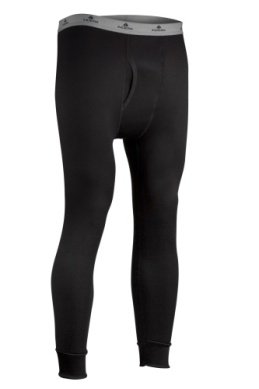
- Traditional waffle knit (styles 800 and 810): Indera lists these as 65% cotton, 35% polyester waffle knit at about 5 oz, rated for cold to very cold weather and medium activity. The 810 is the classic black long john. Indera notes that these styles come in tall sizes and up to 6X.
- Military knit 100% cotton (style 890): a plain cotton knit thermal top and bottom for people who prefer all-cotton next to the skin.
- Military weight fleeced (style 985): 100% polyester, about 9 oz, napped on the inside for warmth. Indera rates it for extreme cold and medium to high activity and says it wicks moisture and dries quickly.
- Two-layer performance thermal (style 975): a two-layer build with a wicking performance polyester layer inside and a warmer blended outer layer. Indera rates its current 975 for extreme cold. Check the tag for the exact fiber blend, since Indera has updated this style over the years.
Carhartt base layers
Carhartt’s base layers use its Force technology, which Carhartt describes as wicking sweat and drying fast. The styles on our site include:
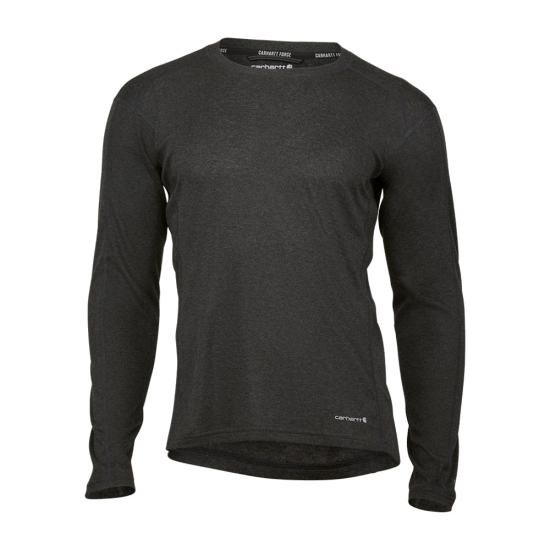
- Force midweight base layer top and pants: a stretch polyester knit with a close, next-to-skin fit. This is our go-to suggestion for active work in typical winter weather.
- Force heavyweight base layer top and pants: a thicker stretch knit for colder days or less movement.
- Midweight thermal crew and pant: a waffle-knit polyester take on the classic thermal, with Carhartt’s wicking and stretch features.
If you already wear Carhartt bibs or a jacket, these fit neatly underneath without bunching. See the thermal bottoms if you only need pants for under your work jeans or bibs.
How Thermal Underwear Should Fit
A base layer should be close to the skin but not tight. If there is air between the fabric and your body, it cannot wick sweat. If it squeezes, it restricts movement and can feel colder at pressure points.
- Top: sleeves should reach your wrists when you reach forward, and the hem should stay tucked when you bend over.
- Bottoms: the cuffs should sit at the ankle without riding up into your boot top when you squat.
- Size up or not: buy your normal size in performance layers. If you are between sizes in cotton waffle, consider sizing up, since cotton blends can shrink in a hot dryer.
- Tall sizes: if your shirts always come untucked, ask about tall sizes.
Matching Thermals to the Job
| Job or situation | Our usual suggestion |
|---|---|
| Roofing, framing, concrete, snow removal | Midweight wicking polyester, plus a hoodie you can take off |
| Plow drivers, flaggers, security, parking lots | Heavyweight or fleeced layer, warm socks, insulated outerwear |
| Warehouse docks and coolers | Midweight thermal; add a fleece for long stretches near open doors |
| Landscaping and yard work in late fall | Lightweight or midweight wicking layer |
| Office, then outside for short periods | Cotton-blend waffle knit for comfort |
| Working in flame-resistant clothing | Follow your employer’s FR policy; many FR programs restrict meltable synthetic underlayers |
That last row matters. If your job requires FR clothing, do not assume any base layer is acceptable underneath. Ask your safety officer what is allowed.
Common Layering Mistakes We See
A few habits cost people more warmth than any fabric choice:
- Dressing for the drive, not the job. If you are warm standing in the parking lot at 6 AM, you will probably sweat through your base layer by mid-morning. Start slightly cool and let the work warm you up.
- Wearing a cotton T-shirt under the thermal. The thermal can only wick what it touches. A damp cotton tee underneath defeats the purpose.
- Doubling up thermals instead of adding a mid layer. Two tight layers restrict movement and trap sweat. One good base layer plus a hoodie or fleece is warmer and easier to adjust.
- Ignoring the waistband gap. When you bend over, a short top can leave your lower back exposed to the wind. A longer hem or tall size fixes this.
- Never changing out of a wet layer. On long or very cold days, a spare base layer in your truck or locker is worth it. Changing into a dry top at lunch can make the afternoon far more comfortable.
Do Not Forget Feet, Hands and Head
Most of the cold complaints we hear start at the feet. Thermal underwear will not help if your socks are cotton and your boots are soaked. Pair your base layer with wicking work socks and the right boots for the season. Our winter work boot guide explains insulation grams and waterproof membranes. Add gloves, a beanie or a neck gaiter, and you will lose much less heat when you stop moving.
Caring for Thermals
Follow the care label first. Indera’s care instructions for its waffle and fleeced styles call for a warm machine wash with like colors, non-chlorine bleach only, and a low tumble dry with prompt removal. A low dryer setting is a good habit for any base layer, because high heat can shrink cotton blends and wear out stretch fibers. Wash performance layers often, since they work best when sweat and body oils are not built up in the fabric.
Thermal Underwear Buying Checklist
- How active are you on a typical day: mostly moving, mostly still, or both?
- How cold does your work get, and how long are you outside without a break?
- Do you sweat heavily? If so, skip all-cotton next to the skin.
- Do you need FR-compliant clothing? Check your employer’s rules first.
- Will you wear the layer under bibs, coveralls or a jacket? Choose a slimmer fit.
- Do you need tall or bigger sizes? Call ahead so we can check.
- Have you matched your socks, gloves and boots to the same conditions?
Frequently Asked Questions
Is thermal underwear the same as a base layer?
Mostly, yes. Thermal underwear usually means the classic waffle-knit long johns, while base layer often refers to newer performance fabrics. Both sit next to your skin to keep you warm and manage moisture.
Should thermal underwear be tight or loose?
It should be snug but not tight. A base layer needs to touch your skin to wick sweat, but it should not restrict movement. If it bunches or leaves gaps, try a different size.
Is cotton thermal underwear good for working outside?
Cotton is comfortable for low-activity work in dry cold. If you sweat heavily, cotton holds that moisture and can leave you cold when you stop moving. A wicking polyester or two-layer thermal is a better choice for active work.
What is the warmest type of thermal underwear?
Fleeced and heavyweight layers are usually the warmest. Indera rates its military weight fleeced thermal and its two-layer thermal for extreme cold. The warmest choice still depends on staying dry, so match the layer to your activity level.
What is the difference between midweight and heavyweight base layers?
Heavyweight fabric is thicker and warmer, while midweight is lighter and breathes better. Midweight suits most active winter work, and heavyweight suits very cold days or long periods of standing still.
How do you wash thermal underwear?
Follow the care label. Most thermals can be machine washed with like colors and tumble dried on low. Avoid high heat, which can shrink cotton blends and wear out stretch fibers.
Get Your Thermals at J.M.D. Sox Outlet
We have been outfitting Chicago-area tradespeople, crews and outdoor workers since the 1990s, and our staff are happy to help you build a full winter layering system, from thermals to socks, boots and gloves. Call the store to check sizes and we’ll set your thermals aside for pickup at that same store. Need a size or style we do not have on hand, or thermals for a whole crew? Ask about special orders.
- Oak Forest: 6220 159th Street, Oak Forest, IL 60452 (on 159th St near Rob Roy Dr, across from the Tinley Creek Trail System). Call (708) 535-9714. Open Mon–Fri 11 AM–7 PM, Sat 9:30 AM–5:30 PM, Sun 11 AM–5 PM.
- Hoffman Estates: 19A Golf Center, Hoffman Estates, IL 60169 (in the Golf Center next to TJ Maxx, off Golf & Roselle Roads). Call (224) 795-5566. Open daily 10 AM–7 PM.
Get directions and hours on our locations page.